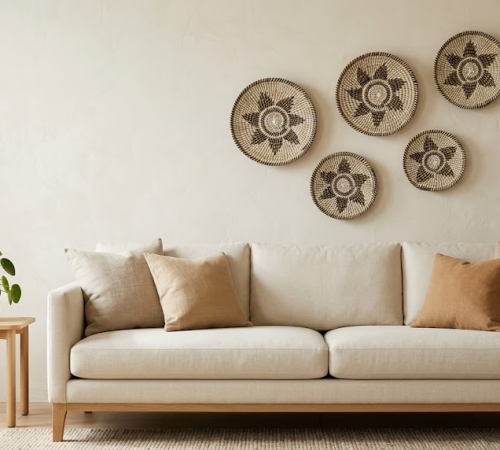
10 Living Room Wall Decor Ideas With Handwoven Kansgrass Plates
If you’re looking for living room wall decor ideas that don’t involve another framed print or a mass-produced canvas, handwoven kansgrass plates are worth a...

Bangladeshi homes have always found room for craft, a rug passed down, a basket that’s outlasted three house moves, a wall hanging woven by hands. That tradition hasn’t gone anywhere, it’s just found its way into how we decorate today. Today, those traditional materials can fit just as naturally into modern apartments, family homes, and minimalist interiors.
If you’re looking for home decor ideas that feel warm, practical, and connected to natural materials, handwoven pieces are an easy place to start. They add texture without overwhelming a room, and many can serve a purpose beyond simply looking beautiful.
Here are 15 ways to bring handwoven decor into different corners of your home.
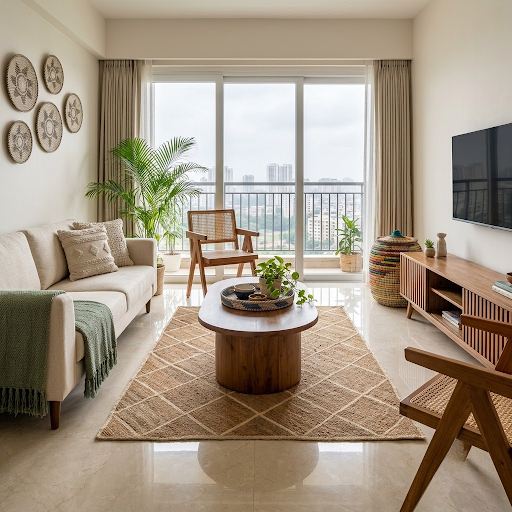
A jute rug can instantly make a living room feel warmer and more grounded. Place it beneath the coffee table and, ideally, under the front legs of your sofa and chairs to visually connect the seating area.
Natural jute works especially well with wood, rattan, neutral upholstery, and even contemporary furniture. Its texture adds interest without competing with the rest of the room.
Explore our handwoven jute doormats and rugs to bring warm, textured style to your seating area.
Instead of filling your coffee table with small decorative objects, use a woven tray to create one intentional arrangement.
Place your remotes, coasters, a small plant, or a few everyday essentials inside it. The tray keeps everything together while adding natural texture to the room.
The wall behind the sofa doesn’t always need another framed print.
A handwoven wall piece can introduce texture and dimension while keeping the room feeling warm and relaxed. Choose a larger piece for a statement or group smaller woven pieces together for a more collected look.
Open storage can quickly make a living room look cluttered. A pair of woven baskets beside a TV unit, console, or bookshelf can hide toys, blankets, magazines, and everyday items while still looking intentional.
Choose baskets in similar natural tones if you want a calm, cohesive look.
Not every piece of handwoven decor needs to be the centerpiece of a room.
A jute or natural-fiber mat near a balcony or garden-facing door adds a subtle layer of texture and creates a natural transition between indoor and outdoor spaces.
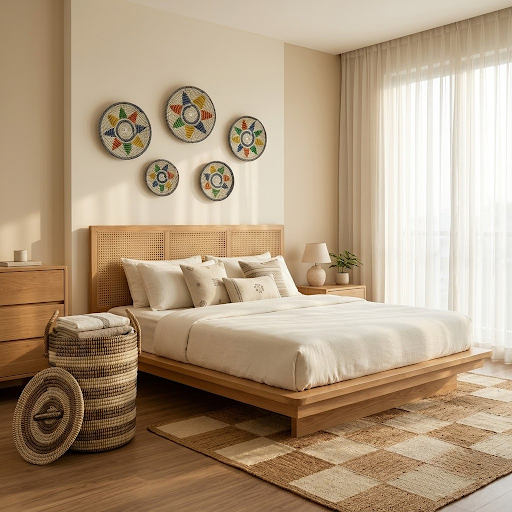
If your bedroom has cool tile or hard flooring, place a small jute rug on each side of the bed.
It adds softness underfoot in the morning and creates visual balance without requiring a large area rug.
A large woven piece behind the bed can act as a visual headboard alternative.
It’s especially useful in smaller bedrooms where a bulky headboard may take up too much space. Choose a piece that is slightly narrower than the bed to keep the proportions balanced.
Jewelry, a watch, glasses, keys, and other small items can quickly turn a bedside table into a collection of loose objects.
A shallow woven tray gives those everyday pieces a designated place while adding a handcrafted detail to the bedroom.
A tall basket beside the bed, dresser, or reading chair can hold extra blankets, throws, or linens.
Unlike a plastic storage box that is usually meant to disappear, a woven basket can become part of the room’s decor while keeping useful items close at hand.
Discover our Mother Love handwoven kans grass basket for an elegant storage solution.
If a dresser wall feels unfinished, consider a compact woven wall accent.
The key is to keep the scale proportionate. A smaller piece can soften the empty wall without competing with a mirror, artwork, or other elements already on the dresser.
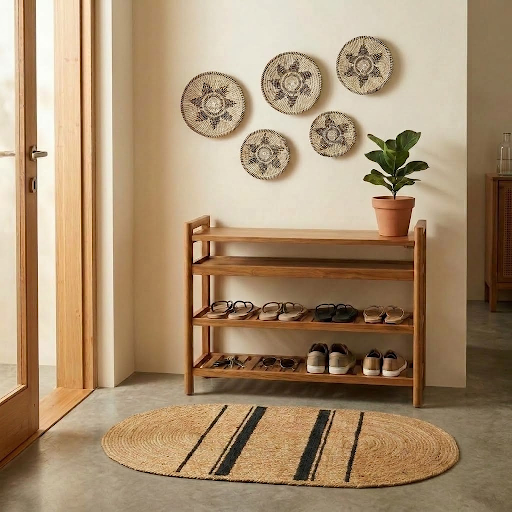
The entrance is one of the first parts of a home guests see, so even a small styling change can make a difference.
A jute doormat introduces natural texture and creates a warmer first impression than a purely functional rubber mat.
Check out the Homefield handwoven jute doormat to welcome guests with natural texture and durability.
A shallow woven basket or tray near the entrance can hold keys, sunglasses, mail, and other small items that tend to be collected by the door.
If you have a narrow entryway, choose a compact tray that can sit on a console or shelf without taking up much space.
When floor space is limited, look up.
Entryways are often narrow and functional first. A small woven wall hanging above the shoe rack adds warmth without taking up floor space.
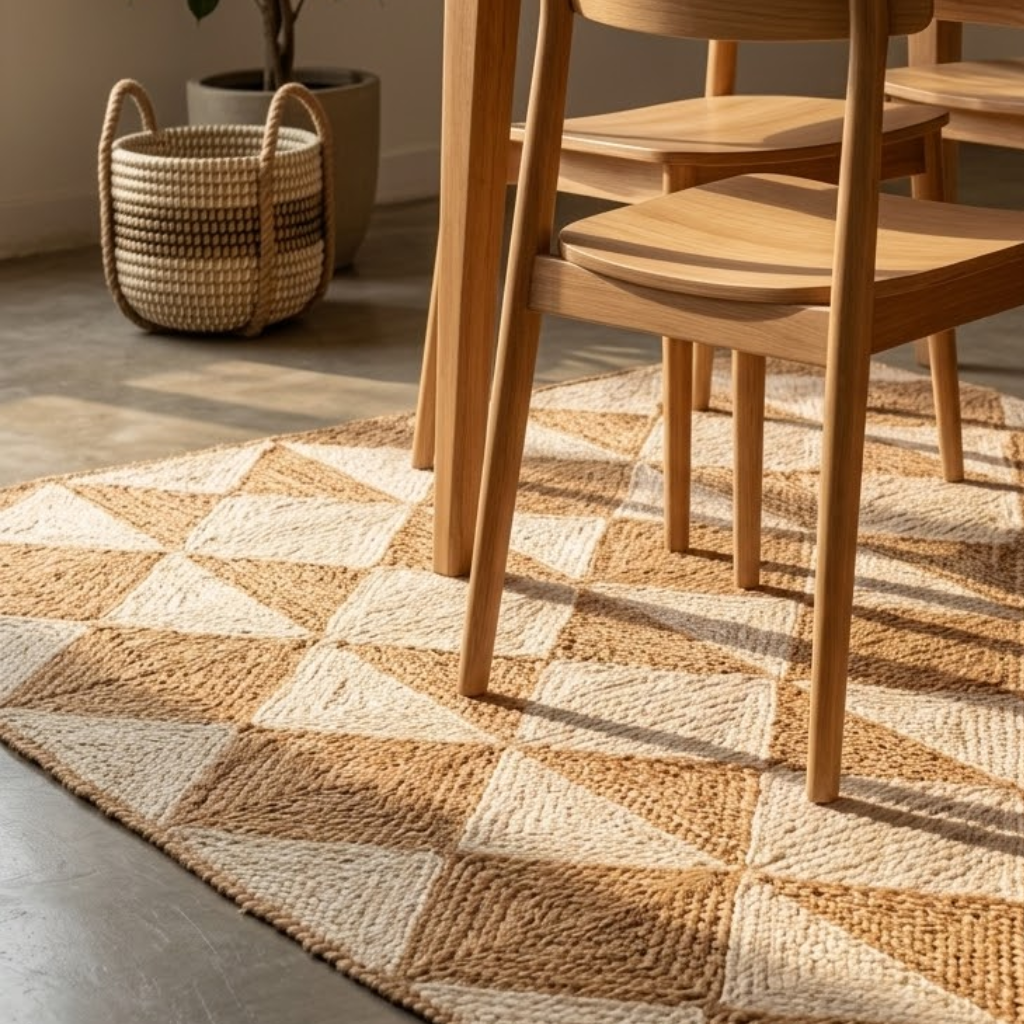
A jute rug beneath the dining table can visually define the dining area, particularly in an open-plan living and dining room.
Choose a rug large enough for the chairs to remain on the rug even when pulled away from the table. A relatively flat weave can also make moving chairs easier.
If your dining room has a sideboard, console, or open shelving, use woven baskets to add both texture and storage
They can hold table linens, napkins, placemats, or other entertaining essentials while helping the room feel organized rather than overly styled.
Handwoven pieces bring something to a room that mass-produced decor often struggles to replicate: visible texture and a sense of making.
Natural materials such as jute, seagrass, and kans grass can add warmth to contemporary spaces without requiring a complete change in your existing furniture or color palette. A single rug, basket, tray, or wall piece can be enough to make a room feel more layered.
For shoppers who specifically want to support handmade production, it’s also worth looking beyond the product itself and learning how a piece was made, where the materials came from, and how the artisans or makers are involved in the process. Eclectic works directly with artisan communities in Bangladesh, so buying handmade pieces here helps sustain demand for traditional skills and small-scale craftsmanship.
And you don’t have to redesign your entire home to bring that feeling in.
Start with one corner: a woven rug beneath the coffee table, a basket beside the sofa, a tray on the dining table, or a textured piece on an empty wall.
The goal isn’t to fill your home with more things. It’s to choose pieces that make the space feel warmer, more useful, and more intentionally yours.
Handwoven home decor is typically made from natural fibers such as jute, kans grass, and seagrass, often woven by hand rather than machine-made. These materials are durable, biodegradable, and add visible texture that mass-produced decor doesn’t have.
Start with one item rather than a full room. A jute rug under a coffee table, a woven basket beside a sofa, or a small wall hanging on an empty wall are all low-commitment ways to try the look before expanding to other rooms.
Yes, both materials hold up well to daily use. Most pieces only need occasional dusting or a dry wipe down. Avoid soaking them in water, since natural fibers can weaken or discolor if left wet for long periods.
You can shop handwoven jute rugs, kans grass baskets, trays, and wall decor made by Bangladeshi artisans at Eclectic.
One comment
Pingback:
How to Choose a Doormat: Shape, Size and Care | Eclectic